

Regarding upkeeping and improving the efficacy of your car's performance, choosing the right car exhaust parts is vital. The exhaust system plays a critical role in getting rid of toxic emissions, boosting engine efficiency, and ensuring a smooth driving experience. If you're interested in replace a failing component or enhance to amplify your car's sound and capabilities, making informed decisions about exhaust components can significantly impact your vehicle's operation.
With a broad range of options available on the market, from silencers and catalytic systems to exhaust headers and tailpipes, wading through these selections can be challenging. Akrapovic has its designated role and affects different aspects of your car's functionality. This guide aims to clarify the selection process by offering insights into key factors to consider when choosing car exhaust components that fit your needs and budget. Grasping these elements will allow you to make a selection that fits your operating style and upkeep objectives.
Types of Car Exhaust Parts
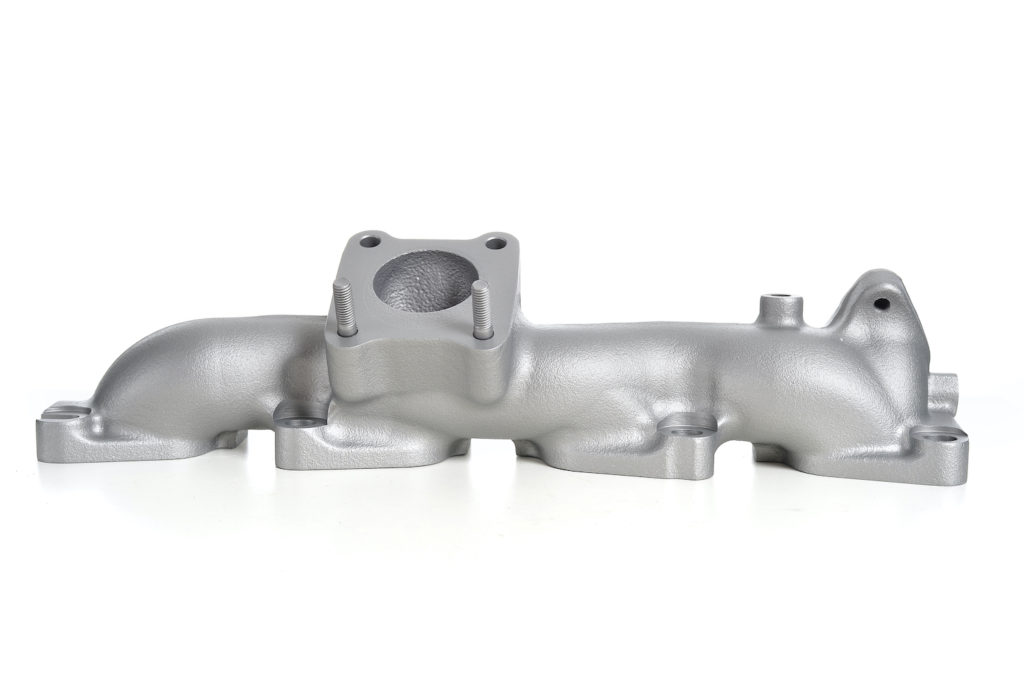
In the realm of car exhaust systems, you will find several key components that play a critical role in the overall function and performance of a vehicle. One of the primary parts is the exhaust manifold, that gathers exhaust gases from the engine cylinders and channels them into the exhaust system. This component is often made of cast iron or stainless steel, while its design can greatly affect engine efficiency. A well-designed manifold can enhance the flow of exhaust gases, helping to improve vehicle performance and reducing emissions.
A further significant part is the catalytic converter. This part is crucial for reducing harmful emissions produced by internal combustion engines. The function it serves is to convert toxic gases, such as carbon monoxide and hydrocarbons, into less harmful substances before they exit the tailpipe. Different vehicles may require specific types of catalytic converters, and it is vital to select one that meets both legal requirements and the unique specifications of your vehicle.
The last essential element to examine is the muffler. The muffler plays a significant role in controlling the sound of the exhaust. It minimizes the noise produced by the engine's exhaust gases as they exit the vehicle. There are types of mufflers on the market, ranging from options made for minimal noise to performance-oriented models that can enhance the sound and power of the engine. Selecting the appropriate muffler may influence not only sound but also performance, making it a critical consideration in choosing car exhaust parts.
Choosing the Optimal Material
While choosing car exhaust parts, the substance is a crucial factor to think about. Diverse materials offer different levels of longevity, heaviness, and resistance to corrosion and heat. Typical materials include stainless steel, aluminized, and low-carbon steel. Inox is favored for its outstanding tolerance to rust and corrosion, making it a reliable option for performance and regular use. On the other hand, aluminized metal provides a compromise between price and durability, but may not hold up as well in harsh environments.
The expected use of your vehicle should guide your choice of material. If you often drive in locations with heavy rain or salted routes, inox is likely the best choice due to its superior corrosion resistance. For those on a budget or who mainly operate in mild climates, aluminized steel could prove acceptable. Low-carbon steel, while the least expensive option, is more susceptible to rust and requires consistent upkeep or substitution, making it not ideal for long-term use.
Additionally, think about the weight of the substance. Lightweight materials can improve efficiency and function, while heavier materials may provide extra sound dampening or a more sturdy configuration. Ultimately, the best material for your car exhaust parts is contingent upon your particular requirements, driving conditions, and budget. Make sure to weigh these factors carefully before making your choice.
Setup Advice for Exhaust Systems
When fit new car exhaust parts, one must ensure it's essential to confirm you have the appropriate instruments on hand. A good selection of spanners, sockets, and possibly a tightening wrench will make the process smoother. Always begin with a clean workspace and open access to the exhaust system. This not only facilitates with efficiency but also lowers the risk of losing small components during the installation.
Before you begin, take the opportunity to review the producer’s instructions that come with your spare parts. Each exhaust component may have particular installation guidelines, such as torque specifications and fitting methods. Following these guidelines will assist you achieve a correct fit and reduce the chance of drips or harm. Don't forget to utilize exhaust hangers and brackets to stabilize the system properly and keep its position after installation.
Once installation, it’s crucial to start your engine and pay attention for any strange sounds. A successfully mounted exhaust system should operate quietly without clanking or shakes. If you detect any irregularities, double-check your links and alignment. It's also helpful to take your vehicle for a short drive to allow the exhaust parts to adjust into place prior to conducting a final inspection. This way, you can confirm everything is functioning as expected and that you’ve made the correct choice in your exhaust parts.